Population
Top Attraction
Known For
Avg Temp
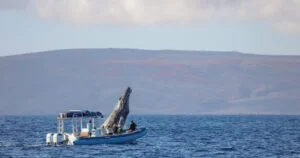
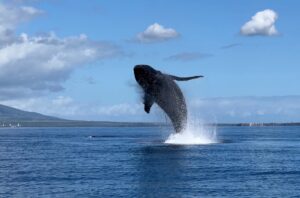
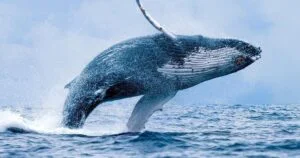
Maui is widely recognized as the humpback whale capital of the world, and whale watching tours offer front-row seats to one of nature’s most awe-inspiring spectacles. Each winter, over 10,000 North Pacific humpback whales migrate from Alaska to the warm, shallow waters of the Maui Nui Basin — the area encompassing Maui, Molokai, and Lanai — to breed, give birth, and nurse their calves. From December through April, the waters surrounding Maui erupt with whale activity: breaches that shake the horizon, tail slaps that echo for miles, and the haunting, beautiful songs of male whales seeking mates. Guided whale watching tours put you in the optimal position to witness this extraordinary phenomenon with marine naturalists who provide fascinating insights into humpback whale behavior and biology. Planning guide: Whale Watching in Hawaii: When to Go and Which Island Is Best.
Set out in the calm morning waters for optimal whale watching conditions on Maui. Morning tours often provide the clearest views and most active whale behavior, with naturalist narration throughout.
Combine whale watching with snorkeling in Maui’s crystal-clear waters for a full ocean experience. Watch humpbacks from the deck, then dive in to explore colorful reefs below the surface.
Experience Maui’s whales on a private charter vessel with a dedicated naturalist guide. Choose your departure time and vessel, and enjoy an exclusive whale watching experience tailored to your group.
Combine the romance of a Maui sunset with the excitement of humpback whale encounters on an evening whale watch cruise. Cocktails, stunning coastal views, and whale sightings make for a magical evening.
Humpback whale season in Maui runs from December through April, with January and February offering peak activity. Some early arrivals and late departures can be spotted in November and May.
During peak season (January–March), whale sightings are nearly guaranteed. Most Maui whale watch operators offer free return trips if no whales are spotted, though this is very rarely needed.
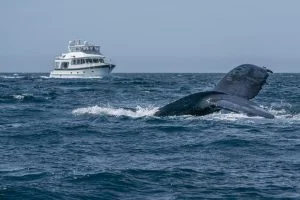
Federal law requires vessels to stay at least 100 yards from humpback whales in Hawaiian waters. However, whales frequently approach boats out of curiosity — bringing them even closer within legal parameters.
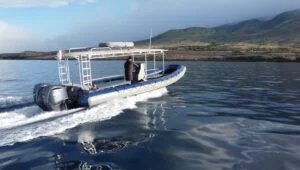
Tours use a range of vessels from large catamarans to small rigid-hull inflatables. Smaller boats offer a more intimate whale encounter, while larger vessels provide greater stability for those prone to seasickness.
Yes! Many Maui whale watch boats are equipped with hydrophones that allow passengers to hear the haunting songs of male humpback whales underwater. It’s an unforgettable addition to the visual experience.
Book your adventures now and save up to 15% on early reservations