Hawaiian Activities — island tours, luaus, and adventures across Oahu, Maui, Kauai, and the Big Island.
Weather, crowds, airfare, and surf all swing hard by season. Here is what each stretch of the year actually looks like on the ground — and which months are worth booking around.
Quick Answer: The best time to visit Hawaii is April–May or September–October — dry, warm weather, the year’s thinnest crowds, and shoulder-season prices. Want whales? Go January–March. Want the calmest ocean for snorkeling? June–August.
TL;DR
- Best overall: April–May & September–October (weather + price + crowds)
- Whale season: December–April, peak January–March
- Calmest ocean: June–August — best for snorkeling and boat tours
- Most expensive: mid-December–March and June–August
- Rainy season: November–March, mostly on windward coasts
- There is no bad month — Hawaii is 75–88°F at sea level all year
Hawaii’s Two Real Seasons
Forget four seasons — Hawaii has two. Kau (summer, roughly May–October) is drier, a few degrees warmer, with calm north shores. Ho’oilo (winter, November–April) brings passing windward showers, big north-shore surf, and the humpback whales. Sea-level temperatures barely move: winter days around 78–82°F, summer days around 85–88°F. The variable that actually changes your trip isn’t temperature — it’s crowds, prices, and ocean conditions.
Month-by-Month Breakdown
| Months | Crowds | Prices | What Defines It |
|---|---|---|---|
| Jan–Mar | High | High | Peak whale season; big north-shore surf; occasional windward rain |
| Apr–May | Low–Med | Low–Med | Sweet spot #1 — drying out, whales linger into April, spring-break crowds gone |
| Jun–Aug | High | High | Family season; calmest, clearest ocean — prime snorkeling and boat tours |
| Sep–Oct | Lowest | Lowest | Sweet spot #2 — summer ocean, September is the quietest month of the year |
| Nov–mid-Dec | Low | Low | Value season; first whales arrive; rain picks up on windward sides |
| Holidays | Highest | Highest | Mid-Dec–New Year: book flights, rooms, and tours months ahead |
When Is Low Season in Hawaii?
Low season in Hawaii runs mid-April to early June, and September to mid-December. September is the single quietest month of the year: the summer family rush has gone, the whale-watching crowd has not arrived, and the ocean is still in its calm summer pattern. Late April into May is the other window — whales linger into early April, spring break has cleared, and the windward rain is easing off.
The months to avoid if crowds and prices decide your trip are mid-December to March, when whale season overlaps the holidays, and June to August, when families travel. Hotel rates, rental cars and the popular tours all move together in those windows: our guide to how far in advance to book Hawaii activities sets out how much earlier you need to commit in peak months.
One thing low season does not change is the weather at sea level. Hawaii sits between 75 and 88°F all year, so a September trip is not a compromise on climate — it is the same ocean and the same temperatures with fewer people in them.
Pick Your Month by What You Want to Do
- Whale watching: January–March, ideally from Maui. Tours run daily in season — see Maui tours.
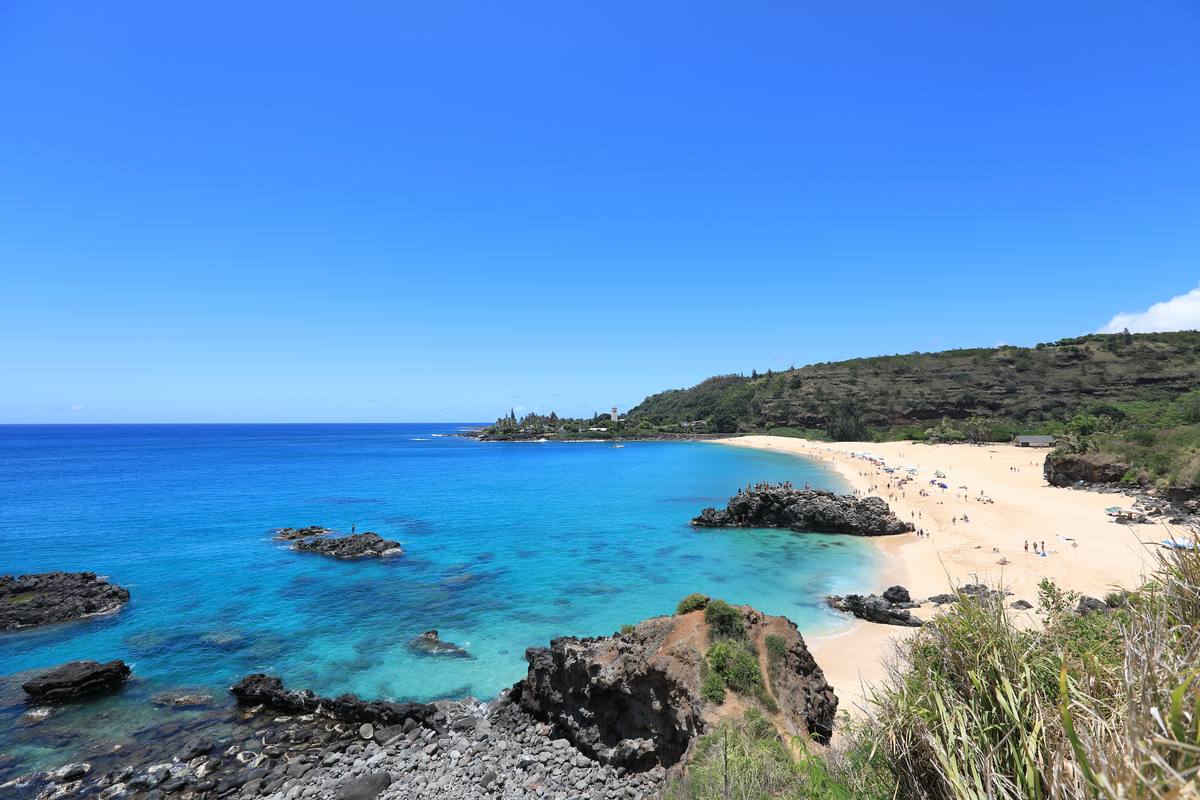
- Snorkeling & boat days: June–August for the calmest water, or September for the same ocean minus the crowds. Browse Oahu snorkeling tours.
- Watching big-wave surf: November–February on the north shores. Watch from the beach — winter north-shore water is for experts only.
- Luaus & sunset cruises: Year-round, but April–October gives the driest evenings. Compare Maui luaus.
- Lowest total trip cost: September–October or late April–May, booked 2–3 months out.
“There is no wrong month to be in Hawaii — there are only wrong expectations. Winter buys you whales and waves; summer buys you glassy water. Shoulder season buys you both islands’ best prices.”
What About Rain and Hurricanes?
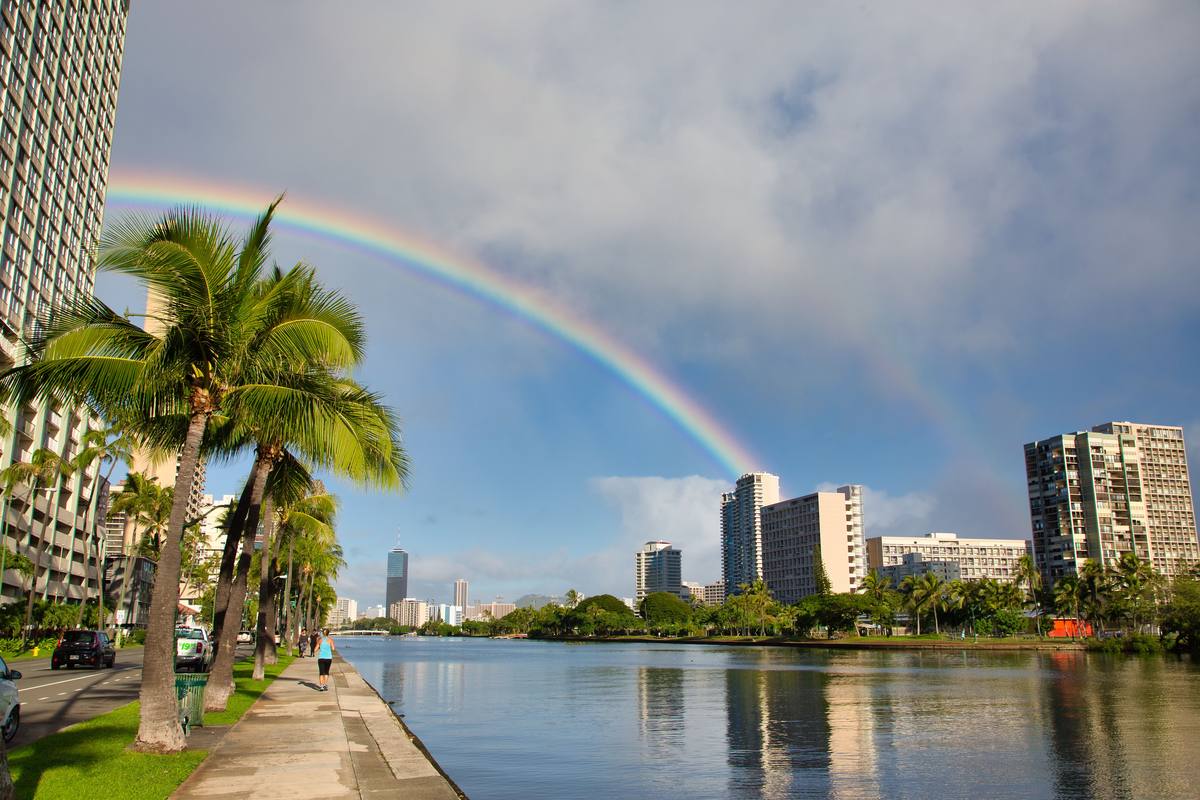
Rain: November–March is wetter, but Hawaiian rain is local and brief. Each island’s windward (northeast) side catches most of it; the resort coasts — Waikiki, Ka’anapali, Kona, Poipu — sit in rain shadows and stay comparatively dry all year. A rainy forecast rarely means a rainy vacation.
Hurricanes: the official season is June–November, but direct hits are rare. Book normally; add travel insurance for peace of mind during late summer.
Frequently Asked Questions
What is the cheapest time to visit Hawaii?
Mid-April through early June and September through mid-December. September is usually the single cheapest, quietest full month.
When is whale season?
December–April, peaking January–March. Maui’s Auau Channel is the most reliable viewing water in the islands.
When is the rainy season?
November–March — short, passing showers concentrated on windward coasts. Leeward resort areas stay largely dry.
Should hurricane season change my plans?
No. June–November is the official season but direct hits are rare; flexible bookings and insurance cover the residual risk.
When are the biggest waves?
North shores: November–February. South shores get their (smaller) swell in summer, which keeps beginner beaches gentle.
What is the best time to travel to Hawaii?
April to May and September to October. Both windows give dry, warm weather, the thinnest crowds of the year and shoulder-season prices. If whales are the priority, travel January to March instead; if you want the calmest water for snorkeling, June to August.
When is low season in Hawaii?
Mid-April to early June, and September to mid-December. September is the quietest month of the year, with summer ocean conditions and the lowest prices. Peak season is mid-December to March and June to August.
What is the cheapest month to visit Hawaii?
September, followed by early May and the first half of December. Those periods sit between the two demand peaks, so flights, hotels and tours all price lower.
Picked your month? Now pick your island days.
Tours, luaus, and adventures across all four islands — compare prices and book in minutes.
Oahu · Maui · Kauai · Big Island · (808) 207-9427
Disclaimer: weather and ocean conditions are generalized seasonal patterns, not guarantees for specific dates. Always check local forecasts and posted beach conditions during your trip.