

SCUBA Diving on the Big Island of Hawaii
Population
Top Attraction
Known For
Avg Temp
Welcome to Big Island SCUBA Diving
The Big Island of Hawaii offers some of the most extraordinary SCUBA diving experiences on the planet, thanks to its dramatic volcanic underwater landscapes, crystal-clear visibility often exceeding 100 feet, and an astonishing diversity of marine life. Dive the lava tubes and archways formed by Kilauea’s ancient flows off the Kona Coast, where manta rays glide through the water with wingspans reaching 14 feet. The Big Island’s west coast is sheltered by the Kohala Mountains, creating exceptionally calm conditions year-round that are ideal for divers of all skill levels. Explore vibrant coral gardens teeming with Hawaiian green sea turtles, spinner dolphins, white-tip reef sharks, and the rare endemic Hawaiian cleaner wrasse. Night dives off Kailua-Kona are world-famous, offering face-to-face encounters with giant manta rays attracted by plankton-rich waters illuminated by dive lights. Whether you’re a certified diver seeking advanced lava cave penetration dives or a beginner ready for your first open-water experience, the Big Island delivers unforgettable moments beneath the surface. Historic dive sites like Turtle Pinnacle and Pawai Bay Marine Preserve showcase why this island is consistently ranked among the top dive destinations in the Pacific. Don’t miss your chance to explore these volcanic underwater wonders. Browse and book your Big Island SCUBA diving adventure today at Hawaiian-Activities.com.
- Big Island SCUBA Diving Fun Facts
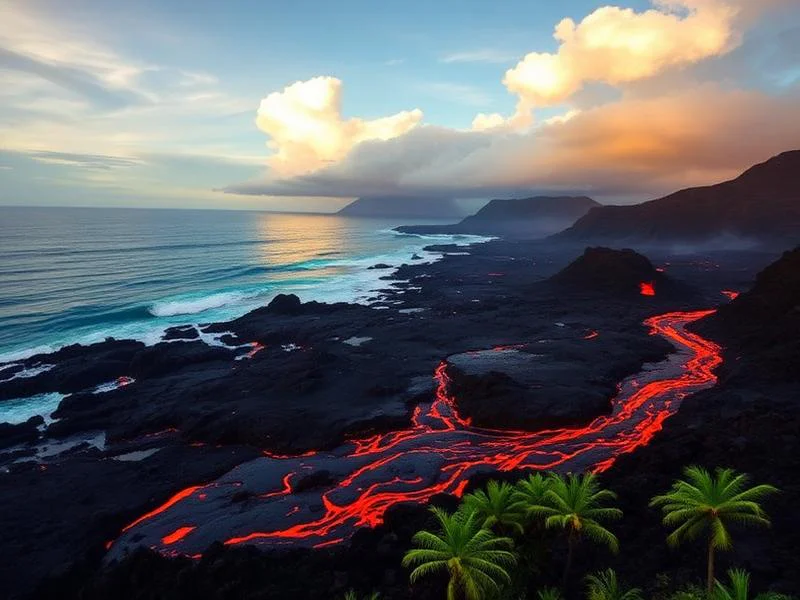
- The Big Island's lava tubes underwater were formed by Kilauea eruptions thousands of years ago, creating swim-through caverns unique to Hawaii's youngest island.
- Garden Eel Cove off Kailua-Kona hosts one of the largest aggregations of Pacific manta rays in Hawaii, with over 200 individual mantas identified by researchers.
- The Kona Coast's calm, sheltered waters allow SCUBA diving to take place more than 300 days per year, one of the highest dive-day averages in the entire Pacific.
- Pawai Bay Marine Preserve, one of the Big Island's top dive sites, is a protected conservation area where fishing is prohibited, resulting in exceptionally abundant and fearless marine life.
- Divers off the Big Island have a rare chance of encountering the elusive hammerhead shark, as the island sits along a known migration corridor for scalloped hammerheads in Hawaiian waters.
Editor's Top Pick: Big Island SCUBA Diving
Popular Big Island SCUBA Diving Tours & Activities
No activities found
Big Island SCUBA Diving Travel Tips
The legendary manta ray night dive off Kailua-Kona is one of the most sought-after dive experiences in the Pacific and spots fill up weeks in advance, especially during peak season from June through September. Reserve your spot as early as possible through Hawaiian-Activities.com to avoid disappointment. Departures typically begin around sunset, so plan your dinner and evening activities around your dive time.
Morning dives on the Big Island’s west coast offer the calmest sea conditions, best visibility, and the most active marine life before afternoon trade winds pick up. Most reputable dive operators depart between 7:00 and 9:00 AM for two-tank morning dives. Arriving at the harbor at least 20 minutes early ensures you have time to gear up and receive a thorough site briefing.
While the Big Island’s surface water temperatures are warm, deeper dives below 60 feet can feel noticeably cooler, especially inside lava tubes and caverns where temperatures can drop to 68°F. A 3mm full wetsuit is recommended for most dives, and a 5mm suit is advisable for multiple dives in a single day. Many dive operators on the island offer wetsuit rentals if you don’t want to pack your own.
While resort and discover SCUBA courses are available for beginners on the Big Island, having your Open Water certification before you arrive allows you to access a far wider range of dive sites, including lava tubes, deep pinnacles, and the famous manta dives. PADI and SSI certifications are universally accepted by all Big Island dive operators. If you’re a newly certified diver, mention your experience level when booking so operators can match you with the most suitable dive sites.
Big Island SCUBA Diving FAQ
No prior certification is required for introductory or discover SCUBA experiences, which are widely available on the Big Island and include professional instruction in shallow, protected waters. However, certified divers gain access to a much broader range of dive sites, including lava tubes, deep pinnacles, and the world-famous manta ray night dive. You can browse both beginner and certified dive tours at Hawaiian-Activities.com and choose the option that best matches your experience level.
The Big Island’s Kona Coast offers excellent diving conditions year-round due to its sheltered western location, but the calmest seas and best visibility are typically found between April and October. Manta ray sightings are consistent throughout the year, though summer months tend to see larger aggregations. Winter months from November through March can bring slightly choppier conditions but also offer the chance to hear humpback whale songs while diving.
During the famous manta ray night dive off Kailua-Kona, divers kneel on a sandy plateau at around 30–40 feet while holding dive lights that attract plankton, which in turn draws the mantas in to feed. The manta rays frequently pass within inches of divers’ faces as they barrel-roll through the plankton clouds, making it an extraordinarily intimate wildlife encounter. This experience is available to both certified divers and snorkelers, and tours can be booked conveniently through Hawaiian-Activities.com.
The Big Island’s dive sites are teeming with Hawaiian green sea turtles, white-tip reef sharks, moray eels, octopus, spinner dolphins, and hundreds of species of colorful reef fish including endemic Hawaiian species found nowhere else on Earth. Lucky divers may also spot eagle rays, hammerhead sharks, and even humpback whales during winter months. The volcanic underwater terrain of lava arches and tubes adds an extra layer of drama and wonder to every dive.
Most dive operators on the Big Island provide tanks, weights, and BCDs, but you should bring your certification card, dive logbook, and any personal gear such as a wetsuit, mask, fins, and dive computer if you own them. Sunscreen is essential for surface intervals, but please use reef-safe, mineral-based sunscreen to protect Hawaii’s coral ecosystems. Staying hydrated is important, so bring a water bottle, and consider bringing motion sickness medication if you are prone to seasickness on boat dives.
Ready to Experience Big Island SCUBA Diving?
Book your adventures now and save up to 15% on early reservations